HIT Software is designed for traders who need speed, precision, and the kind of reliability that doesn’t buckle when the market gets rough. Built with high-intensity trading in mind, it aims to strip away the fluff most platforms bury you under and put the important tools where you need them. On hittingvideo.com, we cover everything from setting up the software for the first time to using it for complex market strategies. This index pulls together all of our core topics, so you can work through them in whatever order matches your experience.
Getting Started with HIT Software
New users often underestimate how much difference a proper setup can make in performance. HIT Software doesn’t just install like a regular trading platform—it’s optimized for fast execution and minimal latency, which means a few extra steps during installation can pay off every single trading session. Our starter guides cover system requirements, installation walkthroughs, and the initial configuration needed to keep trades firing without delay.
You’ll also find guidance on linking your brokerage accounts, choosing the right data feeds, and avoiding common pitfalls that slow execution. While some traders skip this early stage, the setup process is where small changes can shave milliseconds off every order, and milliseconds in high-intensity trading often decide whether a position is profitable.
Interface and Tool Layout
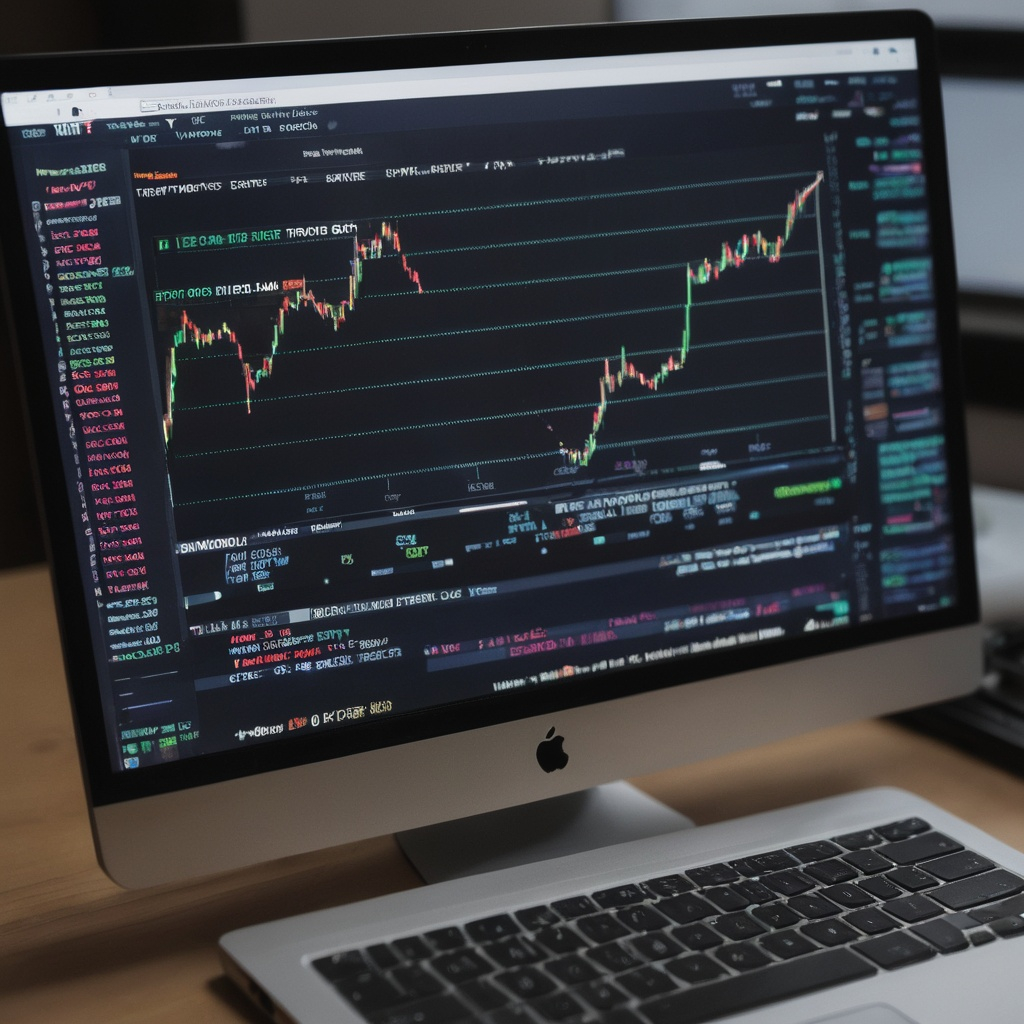
The first thing most people notice about HIT Software is how stripped-back and aggressive the interface looks. There are no soft edges or “pretty” charts meant for passive investors—it’s designed to get you into and out of positions with as few clicks as possible. We cover how to rearrange panels, bind hotkeys to critical commands, and set up your order book display so that market depth is instantly visible without scrolling.
Once you understand the default layout, you can dig into customization. HIT Software allows for multi-monitor setups that don’t bog down your CPU, meaning you can run multiple markets side by side without lag. The tutorials here explain not just how to change the layout, but why certain configurations make sense for different strategies.
Trade Execution and Order Types
The speed of execution is the backbone of HIT Software. Standard market and limit orders are just the start. You’ll also have access to algorithm-triggered orders, bracket trades, and time-sliced execution for large volume entries without spooking the market.
Our guides break down each order type, explain when they work best, and walk through real trading scenarios. We don’t stop at textbook definitions—every execution method is covered with context from high-intensity markets, where bid-ask spreads change in a blink and slippage can turn a good setup into a loss.
Strategy Integration
HIT Software can run standalone strategies or integrate with external strategy engines. This section of hittingvideo.com covers connecting to APIs, scripting trade logic directly inside the platform, and linking to external analysis tools without slowing performance.
High-intensity traders often run hybrid setups where automated triggers handle routine opportunities while manual intervention steps in for complex conditions. Our strategy articles explain how to build these setups so they don’t conflict, and how to backtest without tying up your live trading account.
Risk Controls and Fail-Safes
Even the fastest trading software is useless if you blow up your account. HIT Software comes with built-in fail-safes, including kill-switch commands, automated stop-loss triggers, and margin call alerts that won’t wait until it’s too late. This section outlines how to configure these controls without slowing execution or missing opportunities.
We also explore advanced risk measures like volatility-based position sizing and execution throttles that prevent your strategy from over-trading in choppy conditions. These tools aren’t there to hold you back—they’re designed to keep you in the game long enough for your edge to work.
Performance Optimization
Traders who treat HIT Software like any other platform miss the point. The software is tuned for speed, but your hardware, internet connection, and even background processes can drag that down. Our performance optimization guides cover system tweaks, recommended hardware setups, and network configurations to keep order transmission as close to real-time as possible.
We also explore latency measurement tools inside HIT Software, showing you how to diagnose slow points in your trading pipeline and fix them before they cost you trades.
Market Data and Analysis
HIT Software is built to work with high-frequency data streams without flooding your system. Our market data section covers connecting to premium feeds, setting up filters to avoid unnecessary noise, and using built-in analysis tools that won’t slow execution.
Traders can run multiple market scans, watch lists, and custom indicators without sacrificing performance. Articles here show how to build watchlists that align with your strategy, set up alerts for key levels, and keep your charting minimal but effective.
Advanced Features and Expert Tips
For traders who’ve already mastered the basics, we offer a series of deep technical articles on features most users overlook. From microsecond timestamp analysis to spread-tracking algorithms, these guides give you ways to push HIT Software further than most people think possible.
We also publish interviews with experienced traders who’ve been using HIT Software in real high-pressure markets, sharing setups, scripts, and strategies that have proven results.